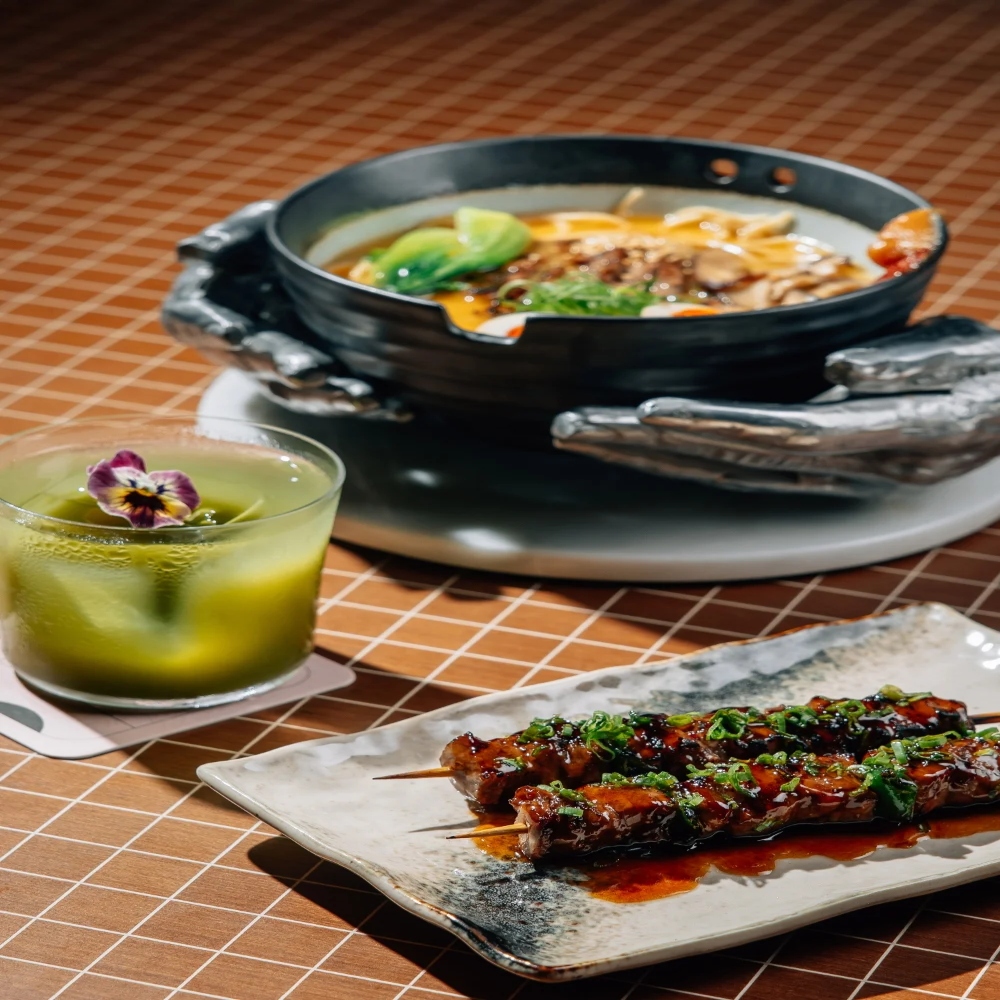
Japanese dinner traditions are deeply rooted in balance, simplicity, and respect for natural ingredients. These time-honored customs encourage mindful eating, controlled portions, and a wide range of nutrients without relying on rigid food rules. Instead of excess, the focus is on harmony, between flavors, textures, and overall well-being.
A healthy japanese dinner is designed to feel light yet satisfying, using gentle cooking techniques and seasonal produce to let ingredients shine. In this article, we explore how traditional Japanese dinner practices naturally support healthier eating habits and why their thoughtful approach continues to influence modern dining cultures worldwide.
The Philosophy Behind Japanese Dinner Culture
Japanese dinner culture is centered on balance rather than restriction, with meals designed to feel satisfying without being heavy or excessive. Instead of focusing on rules, the emphasis is on enjoying food in a way that supports comfort, nourishment, and long-term well-being.
Traditional Japanese cooking places great importance on respecting the natural flavors of ingredients. Seasoning is used with care, allowing vegetables, rice, and proteins to retain their original taste while keeping dishes clean and easy to digest.
How Everyday Habits Shape the Dinner Table
A key principle in Japanese dining is the idea of “less but better,” where smaller portions are served with attention to quality and variety. This approach makes it easier to stop eating before feeling overly full, a habit deeply rooted in Japanese culture.
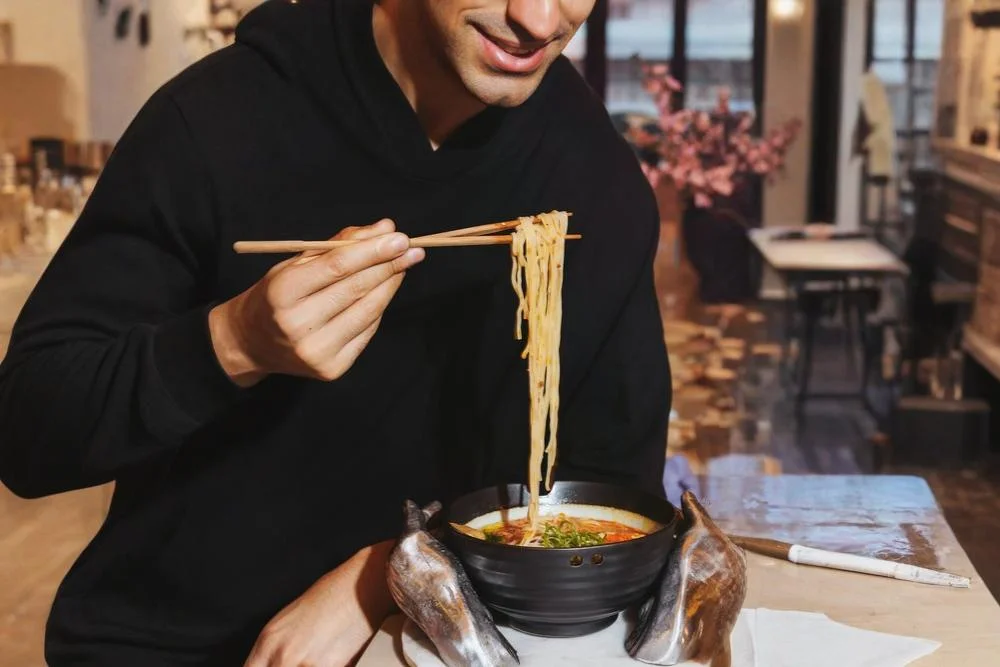
Dinner is also treated as a calm and intentional experience rather than a rushed routine. Meals are enjoyed with focus and presence, which naturally encourages mindful choices. Over time, these traditions shape everyday Japanese dinner food, creating meals that feel balanced, thoughtful, and supportive of healthier eating without effort or restriction.
Cooking Methods That Preserve Nutrition
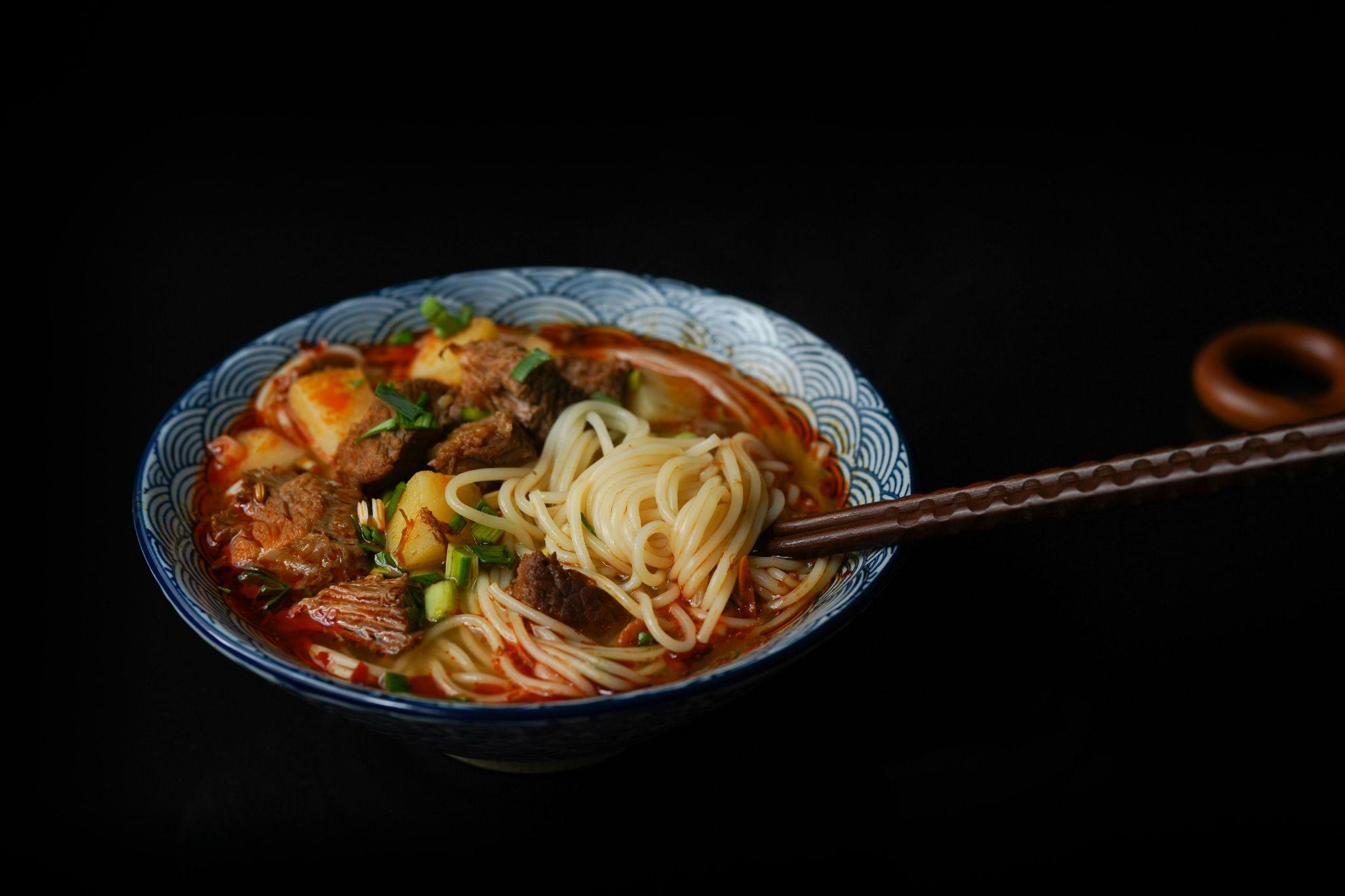
Japanese cooking techniques are designed to protect both flavor and nutrition. Instead of heavy frying, meals rely on grilling, steaming, and gentle simmering, which helps ingredients keep their natural texture and nutrients. These methods allow food to feel lighter while still being deeply satisfying, making dinner enjoyable without feeling overwhelming.
Oil and sugar are used sparingly, not as the main focus. This creates cleaner flavors and reduces unnecessary calories, letting the quality of the ingredients stand out. Fish remains tender, vegetables stay vibrant, and broths feel nourishing rather than rich or heavy.
Simple Techniques That Make a Real Difference
These cooking habits also make preparing an easy japanese dinner at home more realistic than many people expect. You do not need complex tools or long preparation times.
Key principles include:
- Choosing grilling or steaming over deep frying
- Using minimal oil to enhance, not mask, flavor
- Allowing natural sweetness from ingredients to replace added sugar
By focusing on ingredient quality instead of heavy sauces, Japanese cooking keeps meals balanced and approachable. This thoughtful method supports healthier eating while maintaining taste, tradition, and everyday practicality.
Mindful Eating and Atmosphere
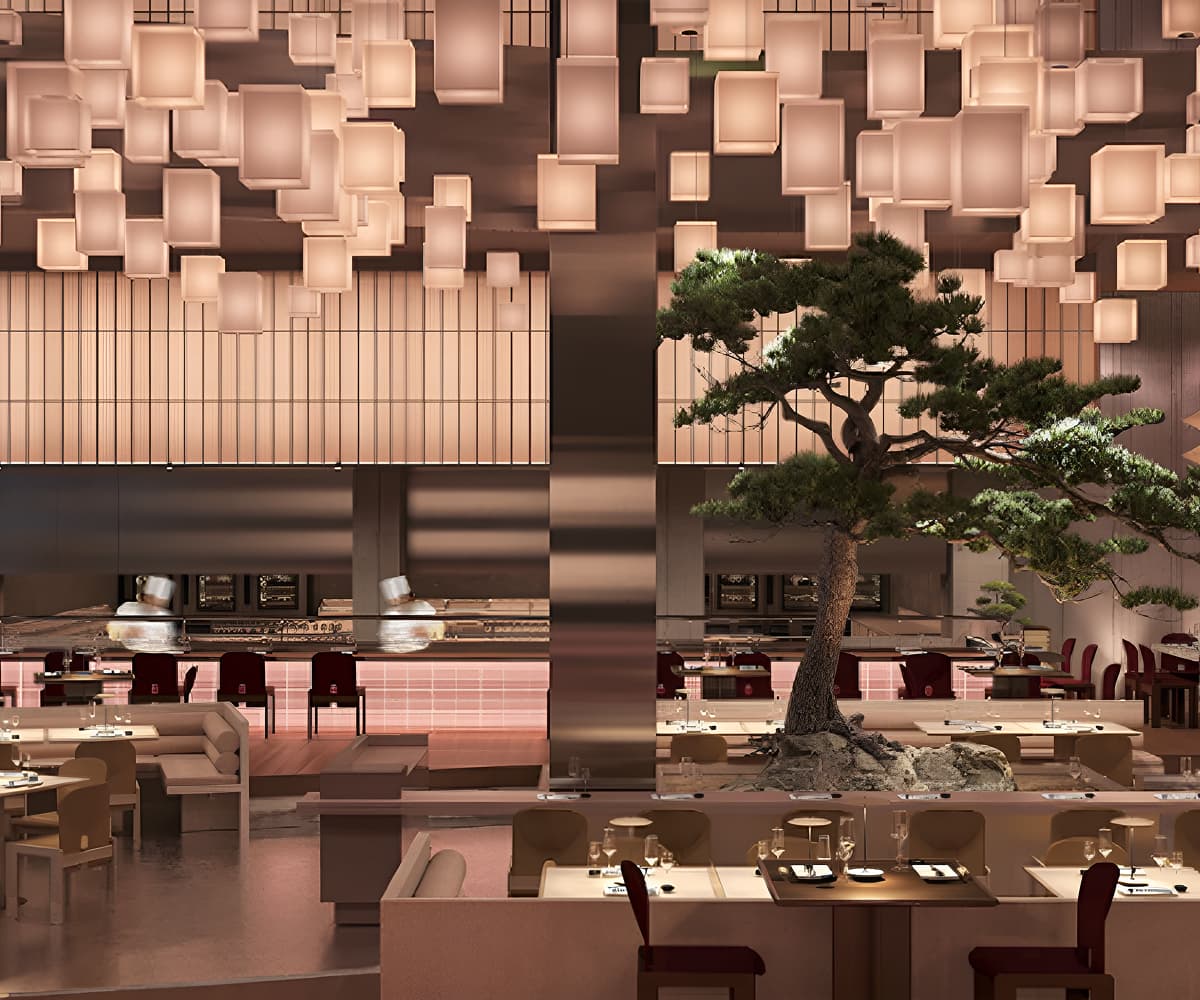
Mindful eating plays a central role in Japanese dinner culture, and the atmosphere around the table matters as much as the food itself. Calm, well-designed settings encourage people to slow down, pay attention, and enjoy each bite. When meals are unhurried, it becomes easier to recognize fullness and avoid overeating.
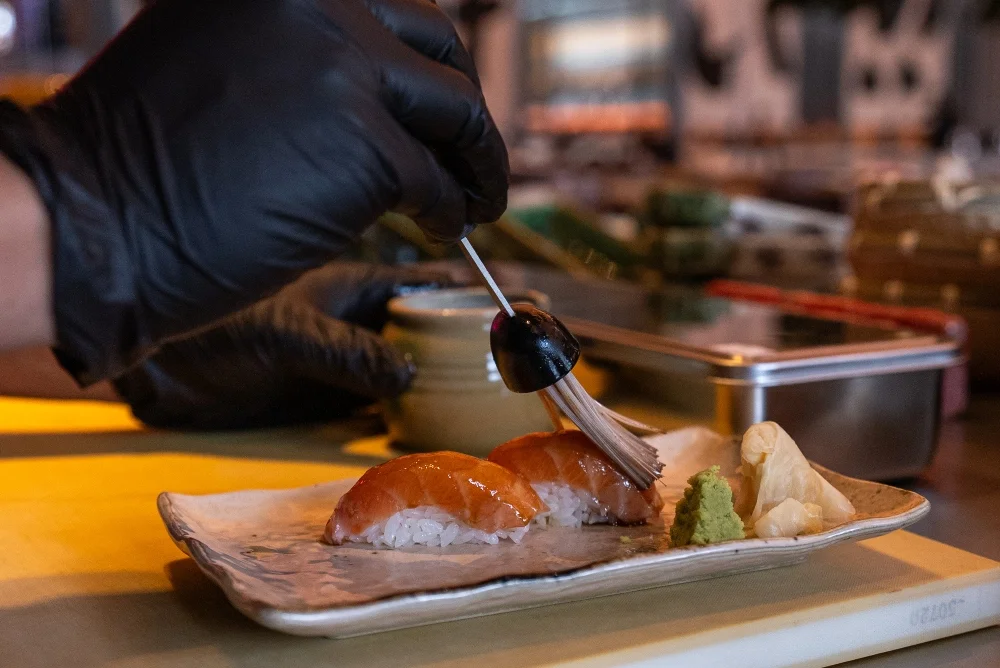
Presentation is also important. Food is served neatly, often in smaller portions, which naturally supports a more relaxed pace. Conversation flows easily, and eating becomes a shared experience rather than a rushed task. This is why hurried meals are discouraged, as they disconnect people from both the food and the moment.
How Social Dining Shapes Healthier Habits
Japanese dining spaces are designed to support connection and comfort. A Japanese talk restaurant culture values conversation, eye contact, and presence at the table.
This approach encourages:
- Slower eating and better digestion
- Stronger awareness of portion size
- More thoughtful food choices
When the environment feels calm and welcoming, people tend to eat with intention rather than impulse. Over time, this connection between setting and behavior helps create healthier habits that feel natural, enjoyable, and easy to maintain.
Seasonal Ingredients in a healthy japanese dinner
Seasonality is a core part of Japanese dining, and it strongly influences what appears on the dinner table. Menus are designed to change throughout the year, using ingredients at their peak rather than relying on convenience. This keeps meals fresh, relevant, and closely connected to nature.
Fresh produce is always preferred over processed alternatives. Vegetables, seafood, and grains are selected based on availability, not long shelf life. This approach naturally supports better nutrition, as seasonal foods often provide what the body needs at different times of the year.
Why Seasonal Cooking Creates Better Balance
Seasonal cooking adds variety without complication. It reduces repetition and keeps meals interesting while maintaining simplicity.
This tradition encourages:
- Greater use of fresh, whole ingredients
- Less dependence on packaged or processed foods
- Balanced meals that change naturally with the seasons
Because ingredients rotate throughout the year, Japanese traditional food rarely feels predictable or heavy. Instead, they stay light, diverse, and enjoyable. This natural rhythm helps support healthier eating habits while making every dinner feel intentional and satisfying, both at home and in refined dining spaces.
Where Tradition Meets the Table Today
Japanese dinner traditions remind us that eating well does not need strict rules or complicated choices. Balance, mindful portions, and respect for ingredients come together to create meals that feel natural and satisfying.
A healthy japanese dinner is not about cutting back, but about choosing better, eating slower, and enjoying every bite with intention. At Ram & Roll, these traditions are brought to life through thoughtful cooking, refined flavors, and a calm dining experience in the heart of Dubai.
If you are ready to experience Japanese dining that feels both indulgent and nourishing, reserve your table at Ram & Roll and rediscover how tradition can elevate the way you eat.