Dubai has evolved into a global hub for world-class dining, with Japanese cuisine standing at the forefront of this transformation. Deeply rooted in tradition yet open to innovation, the city showcases a dynamic range of Japanese culinary styles. From refined, heritage-driven recipes to modern interpretations influenced by global techniques, diners are offered a rich and varied experience. Each Japanese restaurant in Dubai reflects a unique balance of craftsmanship, creativity, and cultural respect.
Understanding Traditional Japanese Cuisine
Japanese food is not merely a way of cooking. All dishes start with purpose. Nothing is rushed. There is nothing that is added in vain. Dubai is a unique place where the two manifestations of Japanese cuisine coexist. There are ancient methods and modern creativity. Knowledge of these two styles enables the diners to enjoy not only what is on the plate but also the philosophy behind it.
Japanese traditional cuisine is dictated by clarity. It is never aimed at impressing with complexity. Rather, it is to establish peace by moderation. Every ingredient has its purpose, and nothing is competing with another.
Traditional Foundations at a Japanese Restaurant in Dubai
In a Japanese restaurant in Dubai that respects tradition, this seasonal mindset remains central. The kitchen adapts without losing its roots. Techniques remain precise, but the outcome feels calm and thoughtful.
Chefs focus on what an ingredient already offers rather than trying to transform it completely. This approach creates food that feels honest, familiar, and quietly confident.
Why Simplicity Still Shapes the Experience
Simplicity in Japanese cuisine is not about doing less. It is about knowing when to stop. Restraint is a skill learned over time, guided by discipline and respect.
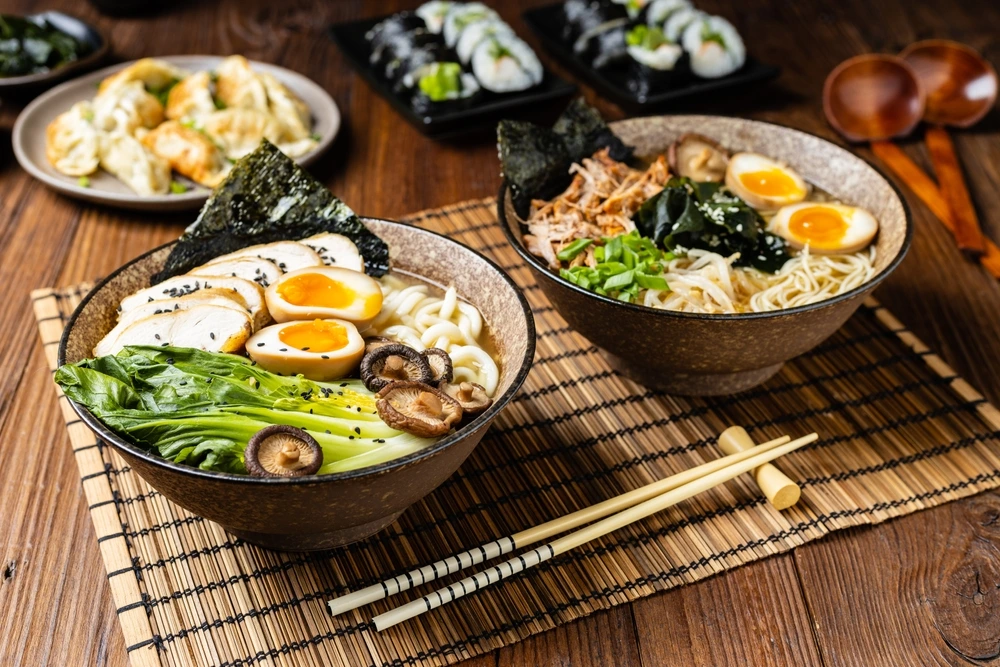
Cooking methods are chosen carefully. Grilling, steaming, simmering, or serving raw are all ways to protect natural flavor. Seasoning supports the ingredient rather than defining it. You will often notice a few essential elements appearing again and again:
- Rice treated as the heart of the meal, never an afterthought
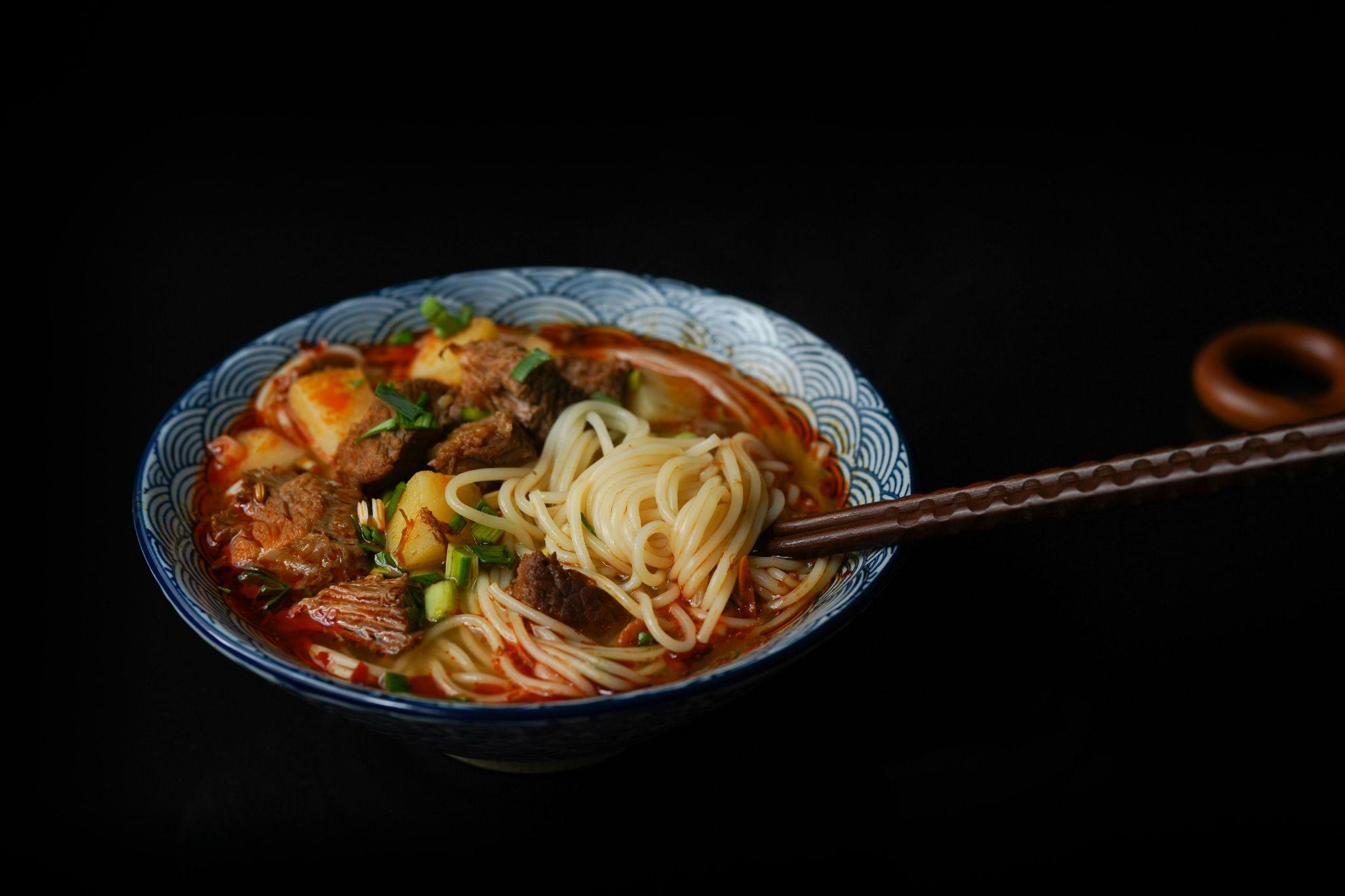
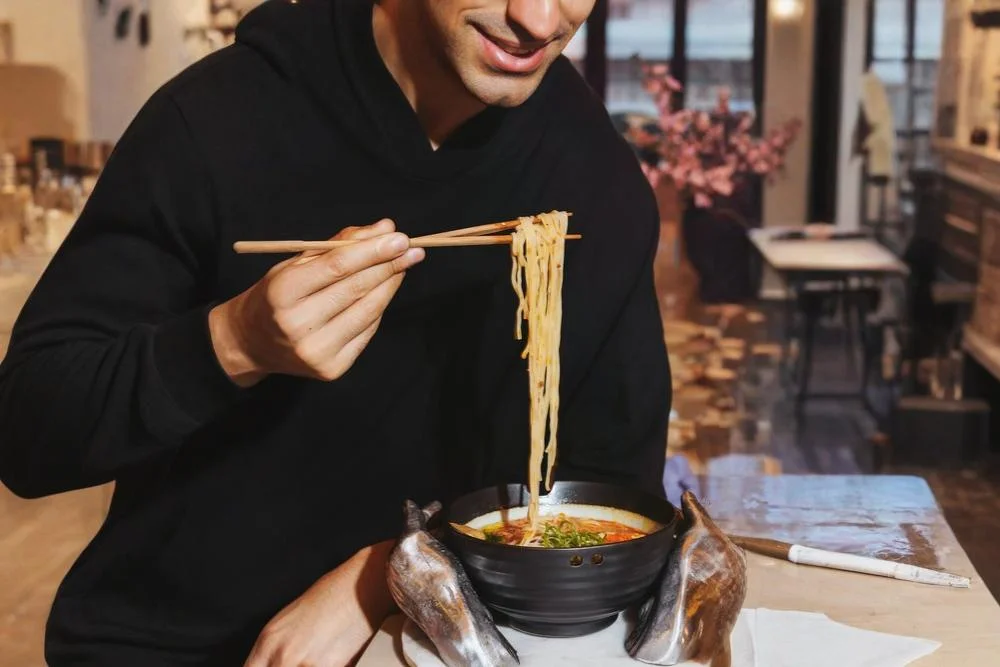
- Noodles prepared with consistency, patience, and care
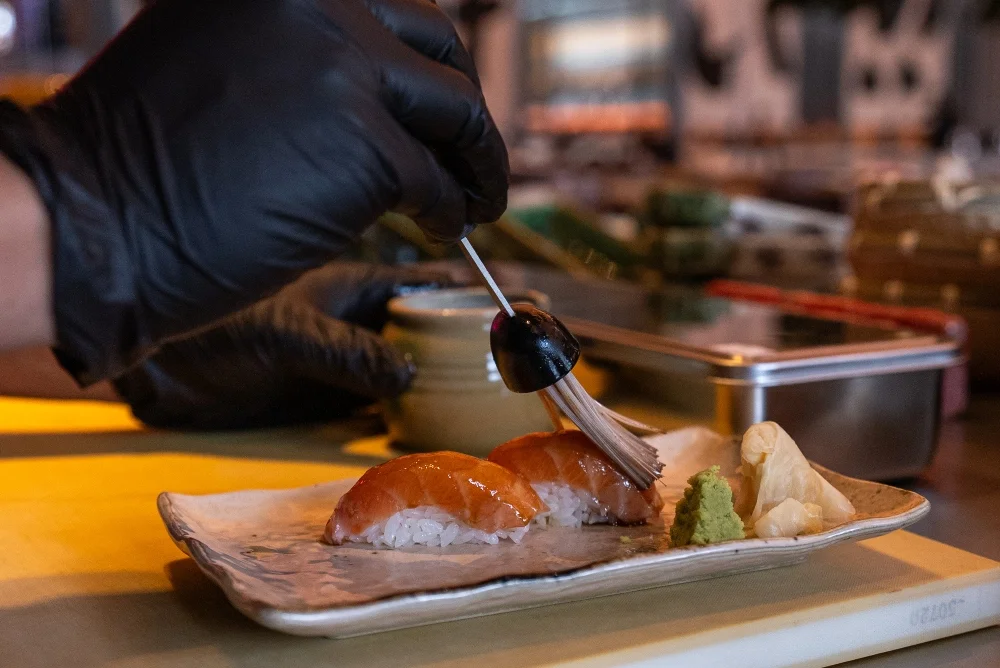
- Seafood handled with accuracy and deep respect
A fine dining restaurant in Dubai, Japan, adds value to these values through the quality of presentation and accuracy in service. The background is sophisticated, and the soul is conservative. We have food that is not heavy and elegance that is never distant.
The Rise of Modern Japanese Cuisine
Japanese food culture starts with curiosity. It respects tradition, but it does not remain in the same spot. Chefs absorb what they have learned and leave it to develop under the influence of the world and traveling as well as experimentation.
The outcome is expressive and assertive. The commonplace tastes are found in unusual forms. New ingredients are added, but balance always keeps the dish together. Nothing feels chaotic. Nothing feels forced. This is food that is influenced by the movement and discussion. It is an expression of how Japanese food has been on a journey, changed and evolved, and still stayed true to itself.
When Innovation Shapes the Plate
In modern kitchens, experience carries equal weight to taste. The presentation becomes part of the narrative. Common traits of modern Japanese cuisine include:
- Japanese techniques paired with international cooking styles
- Artistic plating designed to engage the eye
- Bold but controlled flavor combinations
- Premium ingredients such as wagyu, truffle, and seasonal seafood
This style has influenced concepts aiming to be the best restaurant in Dubai, where dining is not just about eating. It is about memory. About emotion. About moments that stay with you long after the table is cleared.
Modern Japanese Dining in Dubai
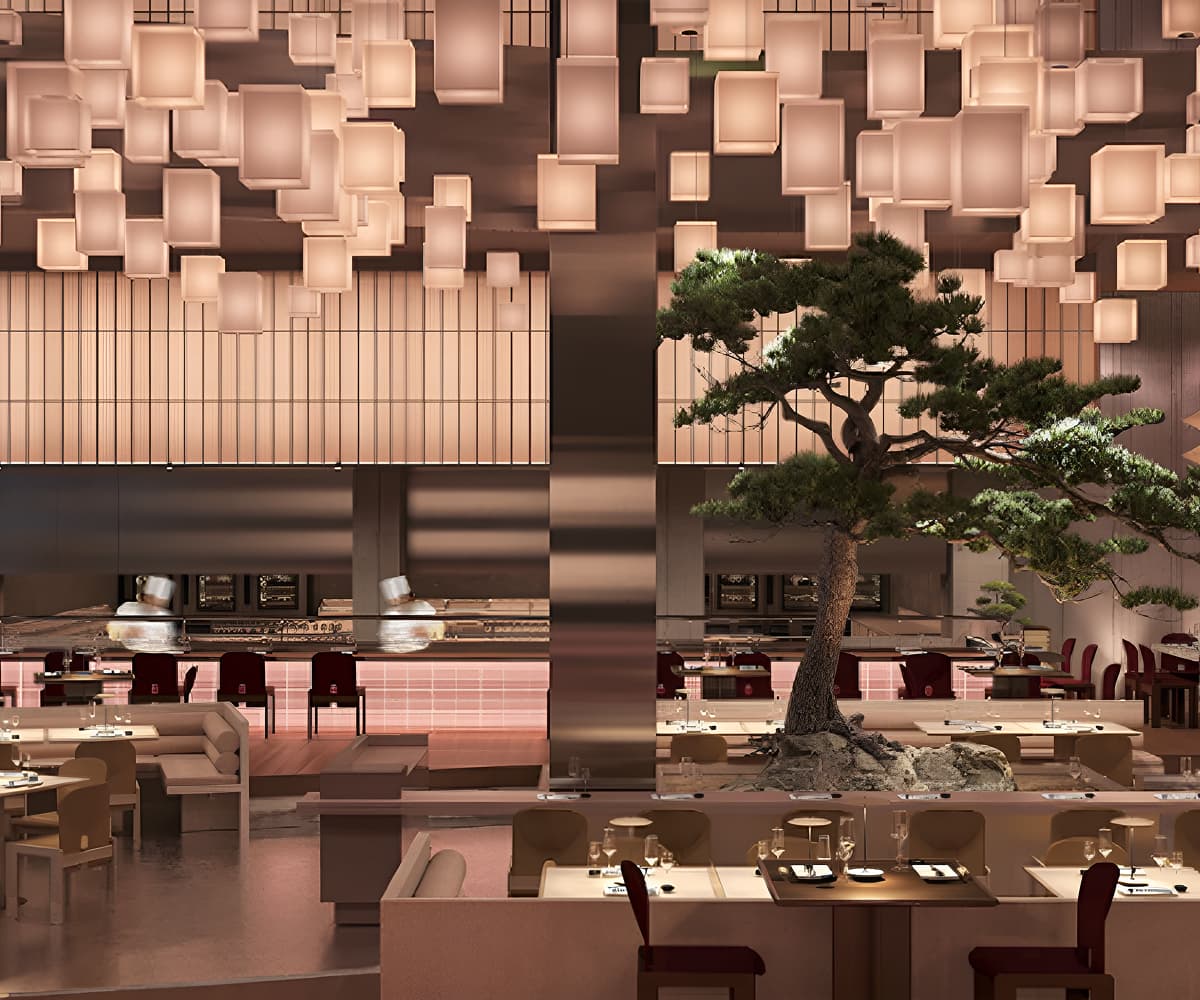
Atmospheric modern Japanese in Dubai is constructed around the dining. The experience starts as soon as you come. The interiors are purposeful and serene. Strauss lines collide with cozy textures. The lighting is soft. The room invites you to relax.
Menus are often chef-led. Every dish is a personal vision, which is developed through skill and creativity. It is not in disorder, yet it is free. The food is edited and not predetermined.
Where Food, Space, and Mood Align
Storytelling plays a central role. Courses are paced carefully so flavors unfold naturally. Beverage pairings receive the same attention as the food, chosen to complement rather than dominate.
- Elegant interiors with a quiet sense of luxury
- Seasonal tasting menus guided by the chef
- Thoughtful pairings with sake, wine, and crafted beverages
- A balance between visual beauty and depth of flavor
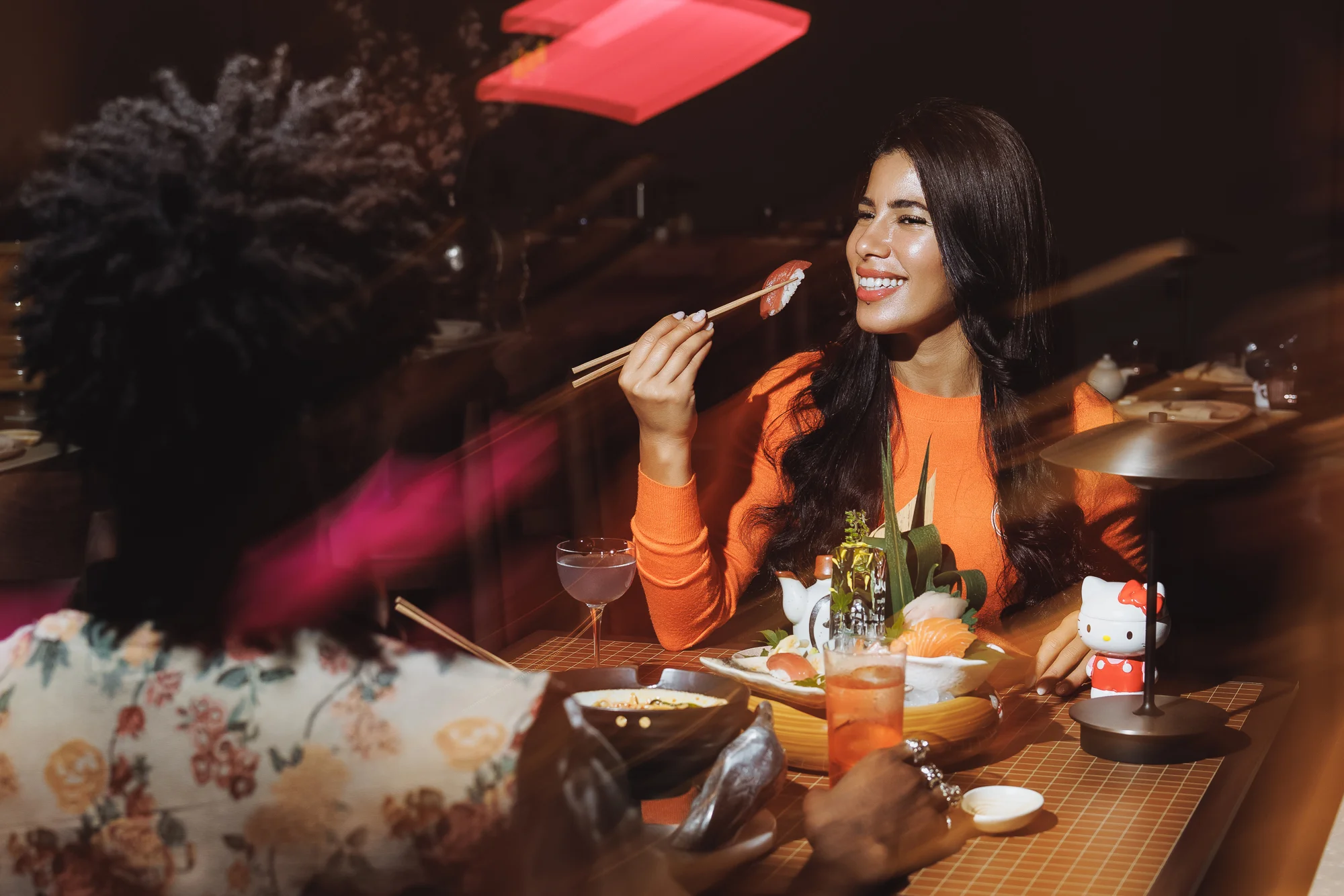
This approach defines a fine dining restaurant in Dubai, where guests engage all their senses, not just their appetite.
Choosing the Japanese Dining Style That Fits You
There is no right or wrong choice between traditional and modern Japanese cuisine. The decision depends on how you want to feel. Traditional dining suits moments of calm and focus. It works beautifully for relaxed lunches, thoughtful dinners, or quiet reflection. The food feels grounding and respectful, with flavors that speak softly.
- Choose traditional for simplicity, balance, and timeless technique
- Choose modern for creativity, visual impact, and bold expression
- Traditional styles suit comfort and appreciation
- Modern styles suit discovery and shared experiences
In the end, Japanese cuisine offers space for both stillness and expression. The best choice is the one that matches the moment you are in.
Traditional vs Modern Japanese: Key Differences at a Glance
Traditional and modern Japanese cuisine have the same origins, yet they are very different in their manifestation. The knowledge of these differences enables diners to select the experience that fits their taste, mood, and occasion. Conventional food is serene and centered. Contemporary food is creative and daring. Both are equally thoughtful.
How the Two Styles Compare
The contrast becomes clear when you look closely at how food is prepared and served.
- Traditional cooking relies on time-honored methods and precision. Modern kitchens introduce global techniques while keeping Japanese structure intact.
- Traditional dishes are subtle and minimal. Modern plates are artistic and designed to impress visually.
- Traditional cuisine prioritizes seasonal and regional ingredients. Modern cuisine often features premium imports like wagyu and truffle.
- Traditional settings feel quiet and intimate. Modern spaces feel vibrant, stylish, and immersive.
In a Japanese restaurant in Dubai, these two approaches often coexist, giving diners the freedom to explore both worlds.
Where Tradition Meets the Future of Japanese Dining
Dubai is unique due to its capacity to embrace tradition and at the same time embrace daring ideas. In this case, there are traditional Japanese methods that coexist with contemporary innovativeness, which allows the diners to experience both worlds within a single city.
In Ram & Roll, this philosophy is realized by having well-designed menus that reflect heritage but are also innovative. Every dish has its story, which is based in Japan and influenced by the rich culture of dining in Dubai.
Reserve your table at Ram & Roll and experience how tradition and modern expression come together beautifully and effortlessly.