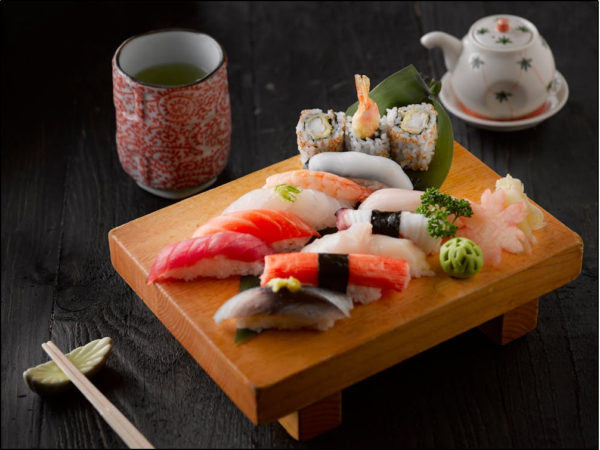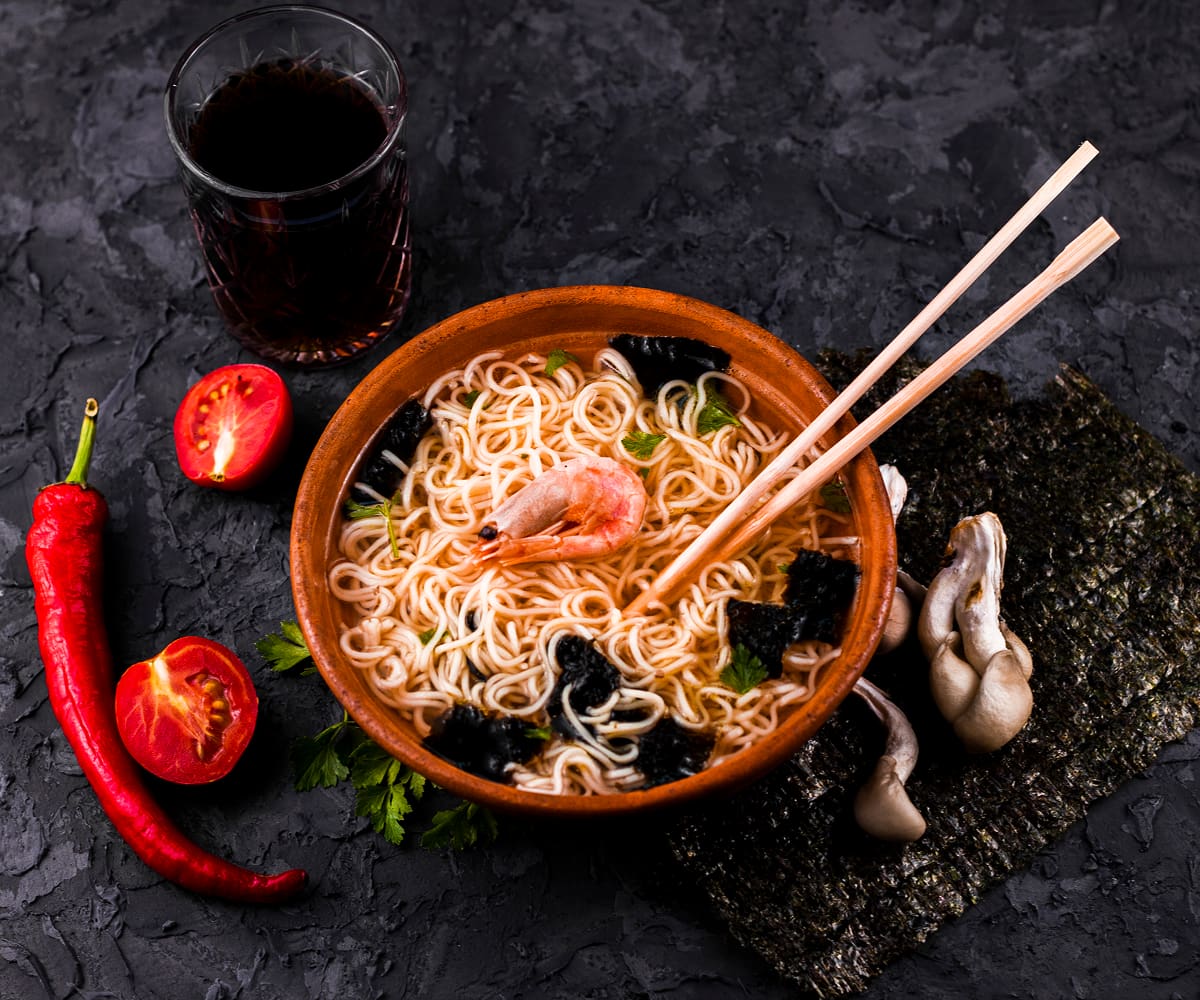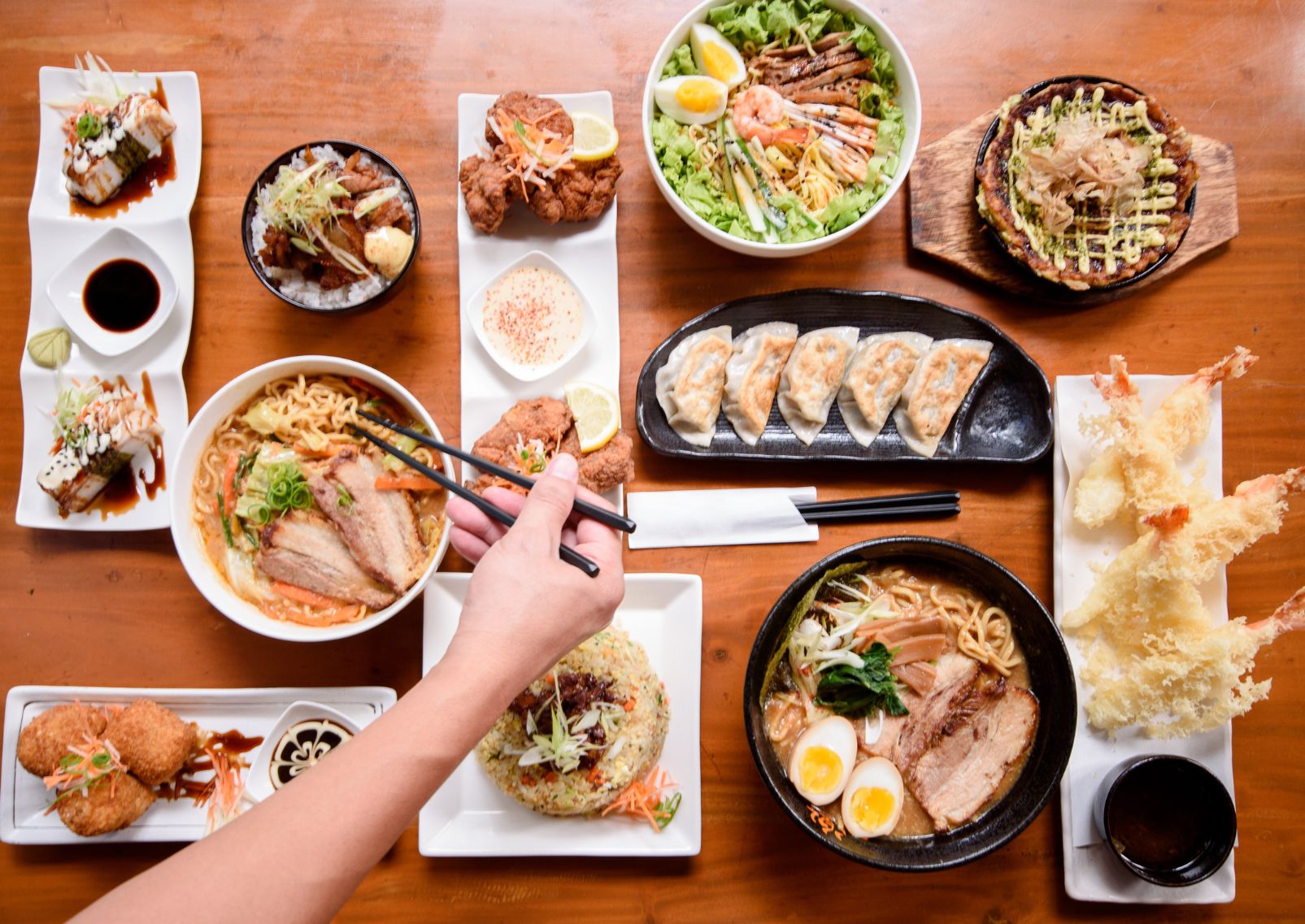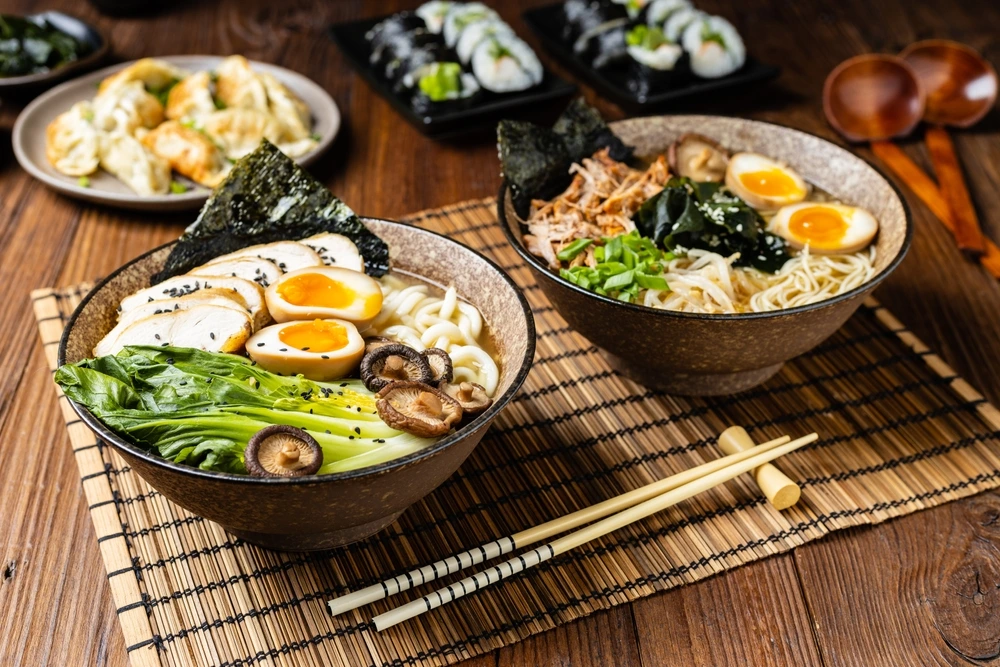
Picture this: you’re sitting at your favorite Japanese restaurant, chopsticks in hand, ready to dive into a perfectly crafted bowl of ramen or a delicate piece of sushi. But something feels incomplete. You’re missing that perfect companion that transforms a good meal into an unforgettable culinary journey. The answer lies in understanding the art of Japanese sake pairing, a tradition that has elevated Japanese dining for centuries.
Many diners overlook the transformative power of sake when enjoying Japanese cuisine. They might order beer or stick to water, unknowingly missing out on flavor combinations that could elevate their dining experience from ordinary to extraordinary. The right sake Japanese pairing doesn’t just complement your meal; it creates harmony between the drink and food, enhancing flavors you never knew existed.
The Basics of Japanese Sake: Brewing, Types, and Serving
Japanese sake is one of the world’s most sophisticated alcoholic beverages, crafted through a meticulous brewing process that transforms rice into liquid poetry. Unlike wine made from grapes, sake in Japanese culture holds deep ceremonial and social significance, with brewing techniques passed down through generations of master craftsmen. The brewing process involves polishing rice to remove proteins and oils, leaving only the starchy core. This polished rice undergoes fermentation with koji mold and yeast, creating complex flavor profiles that range from bone-dry to pleasantly sweet.
Premium grades like Junmai and Daiginjo represent the pinnacle of sake craftsmanship, using only rice, water, yeast, and koji without additives. While many associate Japanese wine sake with warm serving temperatures, premium varieties often shine when served chilled, revealing subtle aromatics and refined flavors that complement delicate Japanese dishes perfectly.
Essential Sake Types and Their Perfect Food Pairings
Understanding sake classifications helps you make informed pairing decisions. Junmai sake, made purely from rice without added alcohol, offers full-bodied flavors that complement hearty ramen broths. Its robust character stands up to rich, umami-heavy dishes without being overwhelmed.
Ginjo and Daiginjo represent ultra-premium categories where rice is polished to remove at least 40% and 50% respectively. These refined sakes display floral aromatics and clean finishes that enhance sushi’s delicate flavors without masking the fish’s natural taste.
Nigori sake, with its cloudy appearance and creamy texture, provides a completely different experience. Its sweetness and richness make it ideal for balancing spicy elements in certain ramen preparations, while its unique mouthfeel adds textural interest to the dining experience.
Perfect Sake Pairings for Sushi
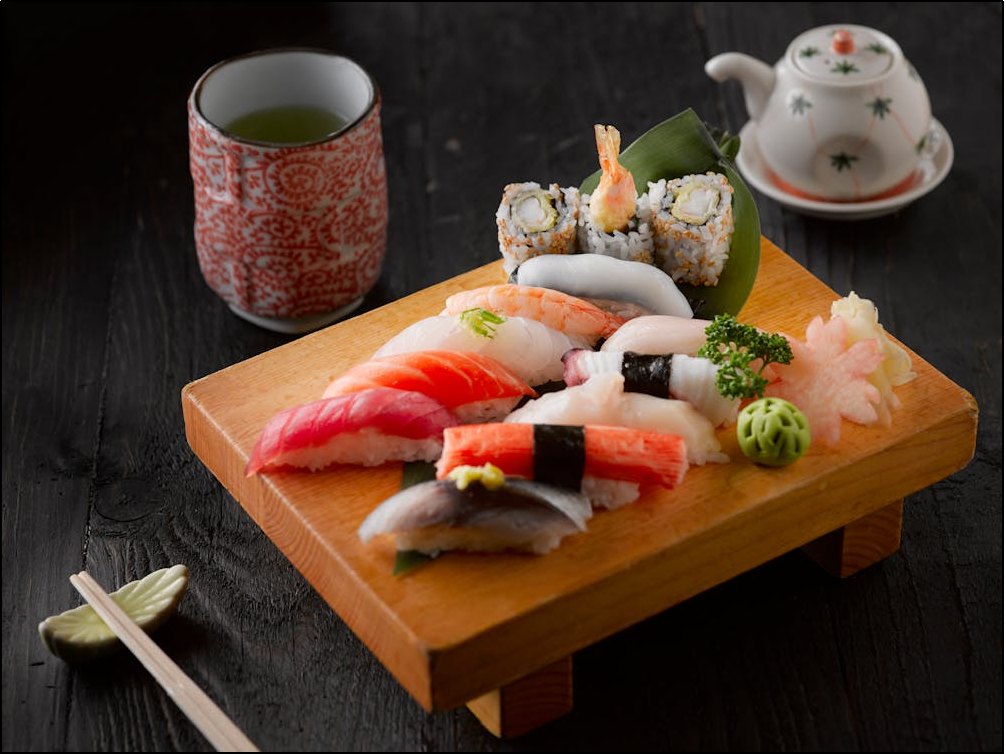
Sushi demands sake selections that enhance rather than compete with the fish’s natural flavors. Light, crisp sakes with high acidity cleanse the palate between pieces, preparing your taste buds for the next flavor experience. For delicate white fish like hirame or tai, choose a clean Junmai Ginjo with subtle fruit notes. The sake’s gentle character allows the fish’s sweetness to shine while providing a refreshing contrast to the sushi rice’s slight tang.
Rich fish like tuna and salmon pair beautifully with slightly more robust Junmai varieties. These sakes possess enough body to complement the fish’s oils while maintaining the harmony essential to Japanese dining philosophy.
Finding the Ideal Sake for Your Ramen Bowl
Ramen’s complex flavor profiles require thoughtful sake pairings that enhance the broth’s depth without overwhelming delicate toppings. The key lies in matching the sake’s intensity to your ramen’s richness level. The sake’s earthy undertones complement the broth’s richness while its acidity cuts through the fat, cleansing your palate for each spoonful.
Lighter broths like chicken-based paitan or vegetable ramen benefit from delicate Junmai Ginjo selections. These refined sakes enhance the broth’s subtle flavors without masking carefully balanced seasonings that define exceptional ramen. Miso-based ramens, with their fermented complexity, create beautiful harmony with aged sake varieties. The fermentation notes in both the broth and sake create layered flavor experiences that showcase Japanese culinary sophistication.
How to Serve Sake: Temperature Tips for the Perfect Pairing
Serving temperature dramatically affects sake’s flavor profile and pairing potential. Most premium sakes reveal their best characteristics when served slightly chilled, around 45-50°F, preserving delicate aromatics while maintaining refreshing qualities. Warmed sake, while traditional, works best with specific varieties and dishes. Fuller-bodied Junmai sakes can handle gentle warming, which amplifies their earthy characteristics and creates comforting pairings with hearty winter ramen preparations.
Room temperature serving allows certain sake varieties to display their full complexity, particularly aged varieties that develop nuanced flavors over time. This serving style works excellently with sushi omakase experiences where temperature variations add another layer of interest.
Regional Sake Styles: What Works Best with Different Foods
Different Japanese regions produce sake with distinct characteristics influenced by local water, rice varieties, and brewing traditions.Niigata Prefecture produces exceptionally clean, dry sakes that pair beautifully with fresh sashimi and delicate sushi preparations. The region’s soft water creates sake with refined, elegant profiles that won’t overpower subtle fish flavors.
Kyoto’s traditional brewing methods produce sakes with more body and complexity, making them ideal companions for rich ramen broths and cooked Japanese dishes. These sakes often display subtle sweetness that balances savory elements beautifully. Hiroshima’s innovative brewing techniques create modern sake styles that bridge traditional and contemporary flavors, offering versatile pairing options for fusion Japanese dishes and creative ramen preparations.
Tips for Perfect Sake and Food Pairings
Creating perfect sake pairings requires understanding both the beverage’s characteristics and the dish’s flavor components. Start by identifying the dominant flavors in your meal, whether it is umami, sweetness, saltiness, or richness, then select sake that either complements or provides a pleasant contrast.
Consider texture alongside flavor when making pairing decisions. Creamy ramen broths benefit from sake with good acidity to cut through richness, while delicate sushi preparations need a gentle sake that won’t overwhelm subtle fish flavors.
Timing your sake consumption enhances the pairing experience. Sip sake between sushi pieces to cleanse your palate, or alternate between ramen spoonfuls and sake sips to appreciate how flavors evolve and interact throughout your meal.
Don’t hesitate to experiment with different sake temperatures throughout your meal. Starting with chilled sake and transitioning to room temperature varieties can create a progressive tasting experience that keeps your palate engaged.
Conclusion
Mastering Japanese sake pairings transforms ordinary Japanese dining into extraordinary culinary adventures. Whether you’re savoring perfectly crafted sushi or slurping soul-warming ramen, the right sake selection creates harmony that honors both the beverage’s complexity and the food’s artistry. Understanding sake fundamentals, from brewing processes to serving temperatures, empowers you to make confident pairing decisions that enhance every dining experience. Remember that sake Japanese culture emphasizes balance and respect, which are principles that guide both brewing and pairing traditions.
Ready to explore these perfect sake pairings firsthand? Experience the art of Japanese sake and cuisine harmony at Ram & Roll, where our expertly curated sake selection complements our authentic ramen and fresh handrolls. Located at Kempinski The Boulevard Dubai on Sheikh Mohammed bin Rashid Boulevard in Downtown Dubai, we invite you to discover how premium sake elevates Japanese dining.