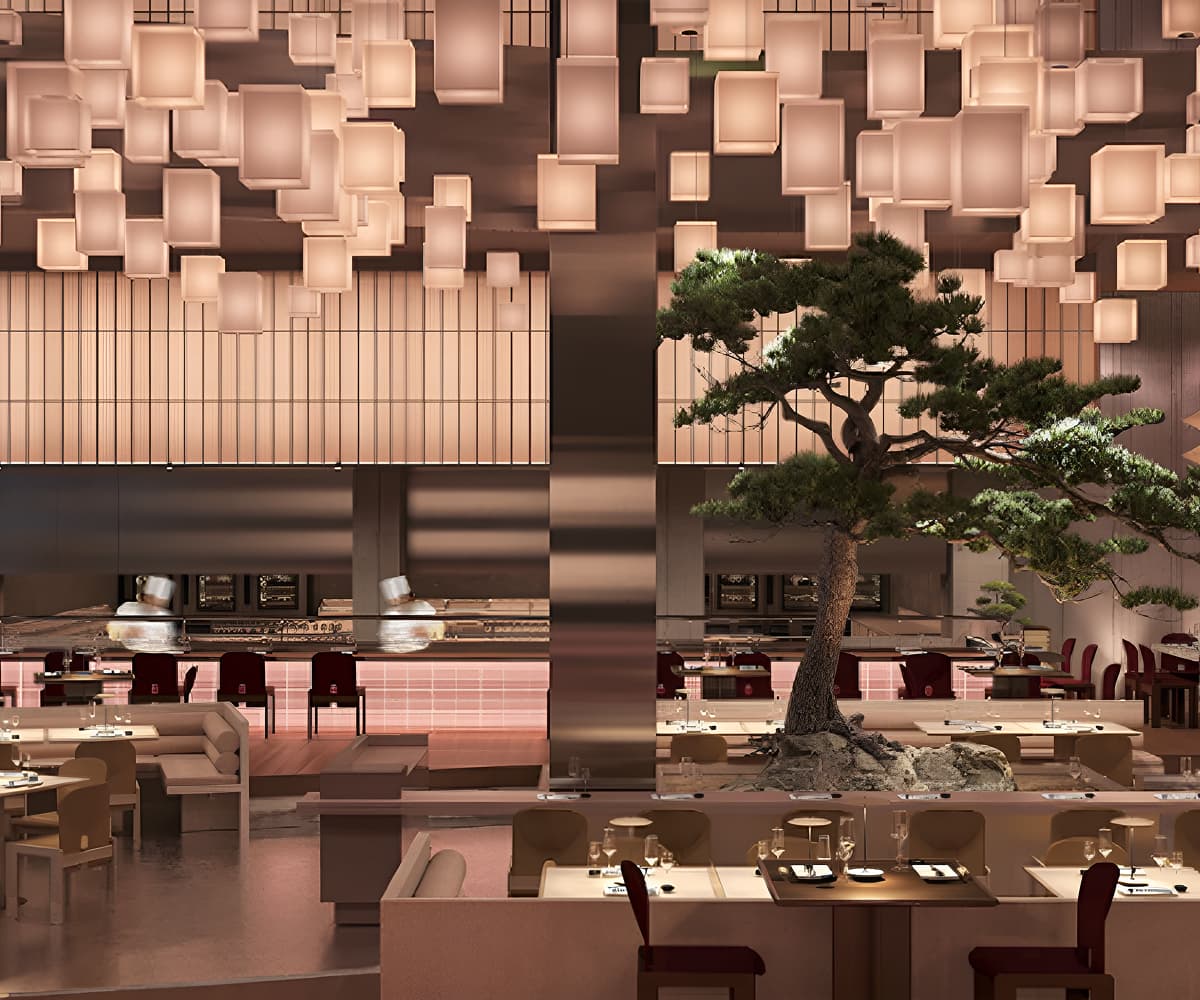
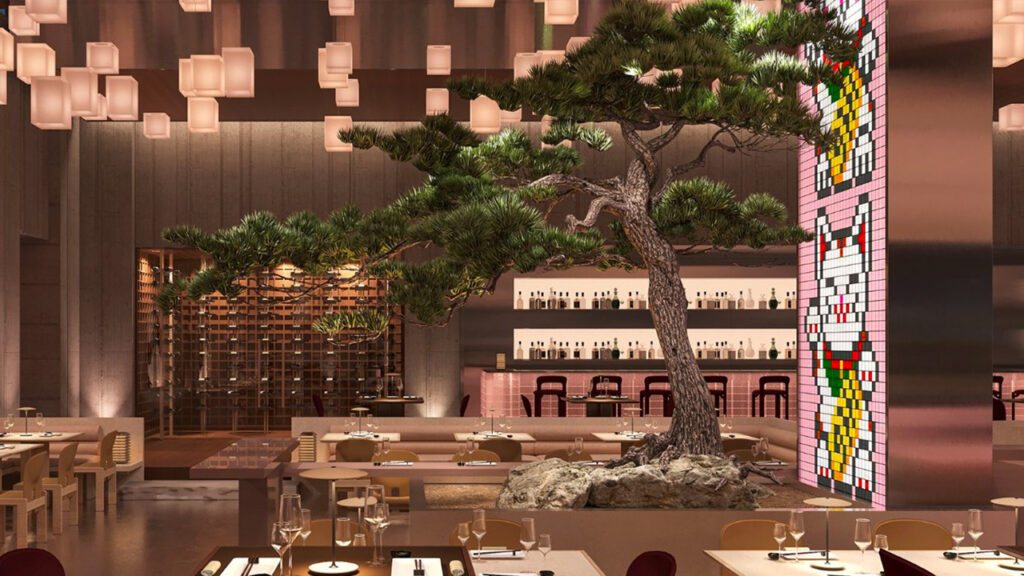
Dubai’s dining culture has transformed into one of the world’s most dynamic luxury food destinations. Over the years, the city has embraced global culinary influence while creating a unique identity built on innovation, premium hospitality, and elevated dining experiences. Fine dining in Dubai now goes beyond elegant interiors and signature dishes. Guests seek storytelling, authenticity, and memorable moments that combine flavor with atmosphere.
Japanese cuisine has played a major role in this evolution. From refined sushi and wagyu experiences to modern ramen concepts and omakase dining, Dubai continues to redefine how Japanese flavors are presented. Brands like Ram & Roll showcase this shift through curated menus featuring wagyu, ramen, sushi rolls, caviar, and Japanese-inspired desserts that reflect both tradition and contemporary luxury.
The Rise of Fine Dining in Dubai
Dubai’s dining culture feels very different today. A dinner outing is not only about food anymore. People want comfort, atmosphere, good energy, and something that actually feels memorable.
From Traditional Hospitality to Luxury Culinary Experiences
Years back, Dubai was more focused on classic hospitality and big sharing meals. Then the city grew fast. Luxury hotels opened, famous chefs arrived, and dining became more polished without losing warmth. Now people notice the little things. The crackling sound from a robata grill. Fresh wasabi grated at the counter. Wagyu sliced carefully instead of rushed onto a plate. It feels intentional. Not stiff, just thoughtful.
Why Fine Dining Became a Lifestyle Experience
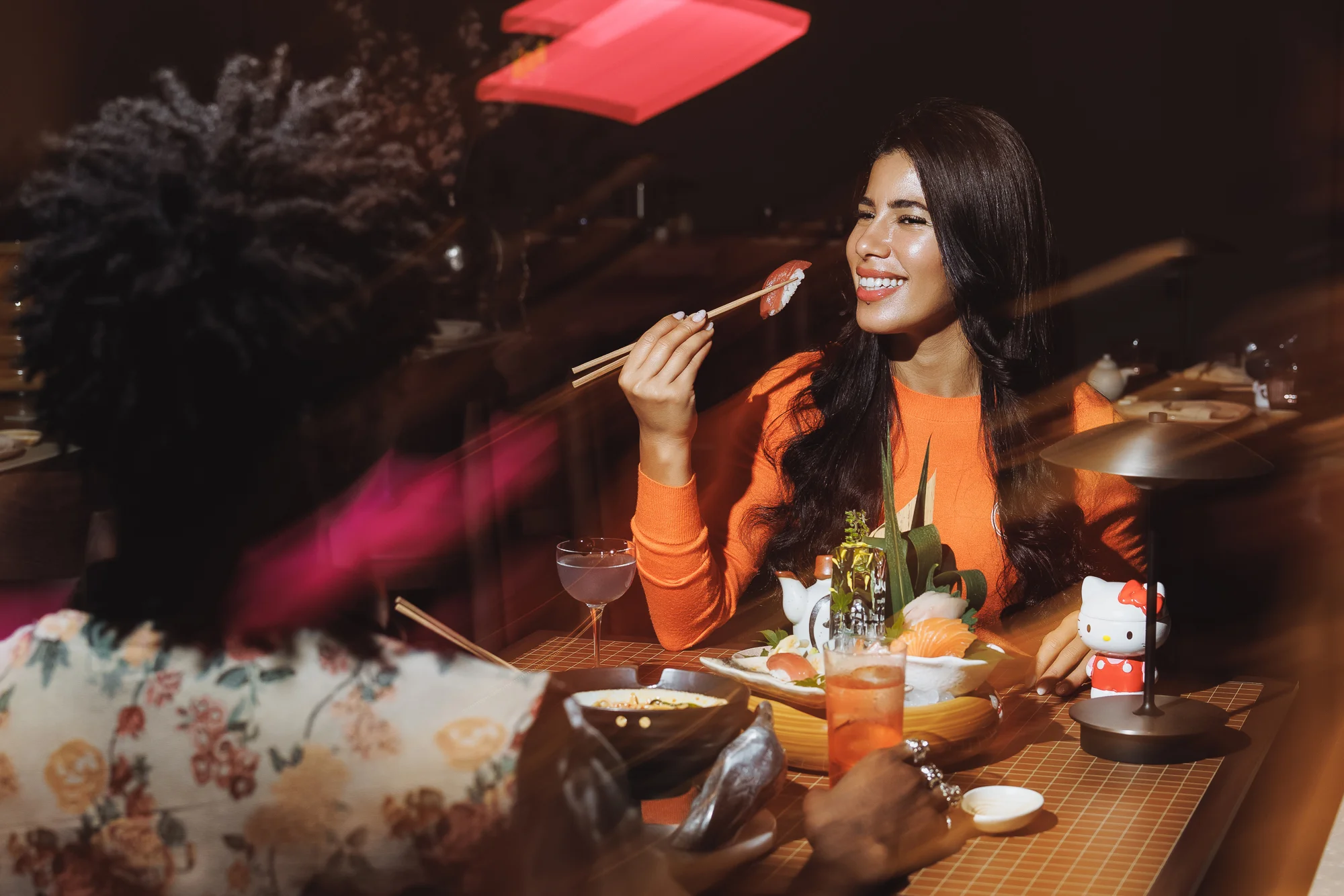
Dining out slowly became part of Dubai’s social rhythm. Some people book a table for the mood before they even check the menu. Low lighting, textured interiors, soft music, that stuff changes the whole evening.
Service matters too. Guests remember when staff speak naturally and recommend dishes like real people, not from a script. Social media added fuel to all this. A glossy sushi roll or steaming ramen bowl under warm light gets attention fast. People want a place that feels good to sit in, not only somewhere to eat.
The Growing Popularity of Japanese Cuisine in Dubai
Japanese cuisine quietly became part of Dubai’s food culture. Not in a flashy way. People simply started enjoying cleaner flavors, lighter meals, and cooking that feels careful instead of overdone.
How Japanese Flavors Became Mainstream
At first, most people went for sushi. Then ramen took off. Soon after, robata grills, hand rolls, and omakase counters started showing up everywhere. The smell of charcoal grilling near an open kitchen? Hard to ignore honestly. Diners also became more aware of technique. A rich broth simmered for hours tastes different. Fresh wasabi hits softer than the packaged kind. Even sushi rice matters more than people think. Healthier eating habits helped too. Japanese food feels balanced without trying too hard to be “healthy”.
The Appeal of Japanese Minimalism and Precision
Japanese dining has this calm, uncluttered style people connect with. Nothing feels excessive. One clean plate, sharp knife work, good ingredients. That’s enough. Wagyu, tuna, caviar, uni, these ingredients became popular because quality stands out fast when the preparation is simple. And honestly, that restraint is what makes Japanese cuisine feel special in Dubai now.
Modern Trends Shaping Dubai’s Japanese Fine Dining Scene
Dubai’s Japanese dining scene feels less formal than before. Still luxurious, yes, but more relaxed. People want good food without that stiff fine dining energy where everyone whispers for no reason.
Experiential Dining and Chef-Led Concepts
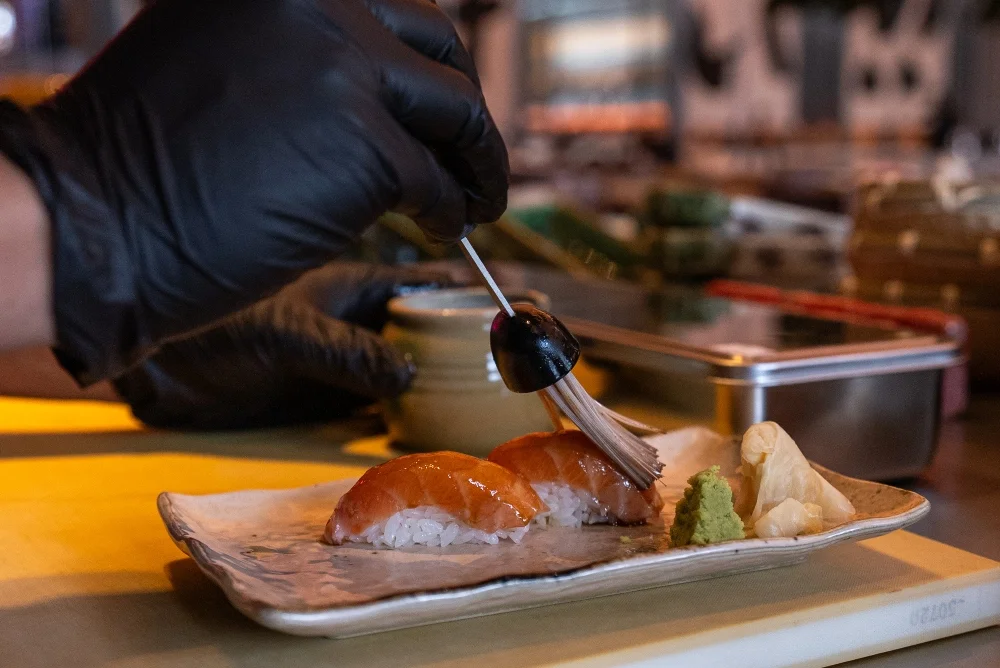
Counter seating became a big thing because diners like seeing the cooking happen. A chef brushing soy onto sushi or lifting noodles from hot broth right in front of you just feels more real. Omakase works for the same reason. Less scrolling through giant menus. More trust. Some guests actually enjoy being surprised course by course.
Fusion Without Losing Authenticity
Dubai loves creative food, but people still expect Japanese flavors to stay clean and balanced. A little truffle on wagyu? Fine. Yuzu with seafood? Makes sense. But when too many flavors fight each other, you notice immediately. The best places know when to stop.
Seasonal Menus and Premium Ingredients
Freshness matters more now than fancy decoration. Fatty tuna, sweet crab, properly marbled wagyu, diners can taste the difference pretty quickly. Seasonal dishes help too. Lighter plates during humid months, richer broths when the weather cools down a bit. Small changes, but they make dinner feel less repetitive.
The Evolution of Menu Design in Japanese Fine Dining
Japanese menus in Dubai look very different now. They feel tighter, more curated. Less filler dishes, more attention on ingredients people actually come back for.
Signature Dishes That Define Modern Japanese Dining
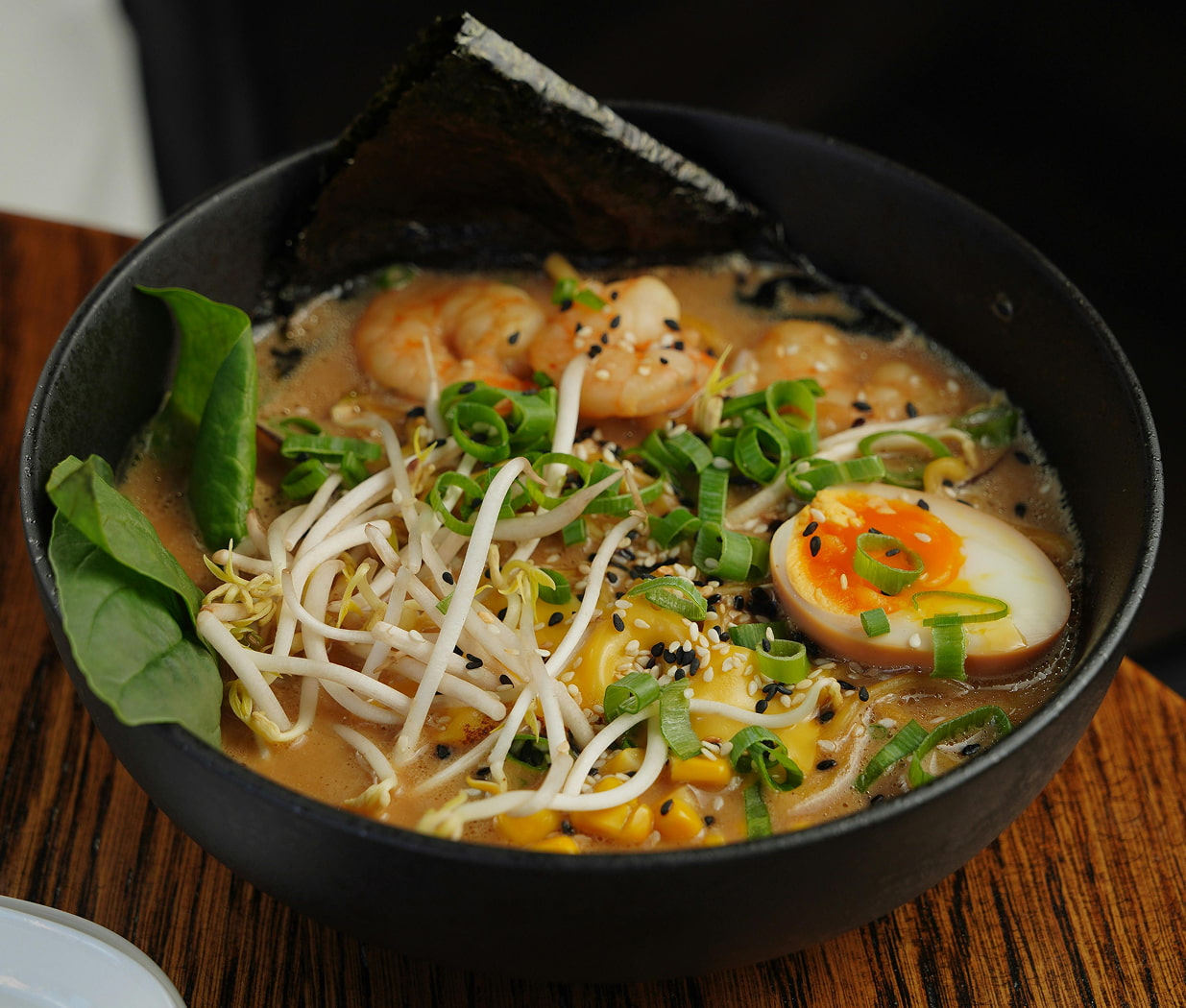
Wagyu became a centerpiece because diners enjoy that rich buttery texture that almost melts too fast. Hand rolls also grew popular since they feel casual but still refined. Fresh nori cracking slightly when you bite into it, that detail matters. Ramen changed too. It is no longer seen as simple comfort food. Slow-cooked broth, smoky toppings, soft ajitama eggs, people appreciate the craft behind it now.
The Rise of Premium Pairings
Japanese dining also pushed more thoughtful pairings. Citrus-heavy drinks with seafood, matcha desserts after rich dishes, little combinations that balance the meal naturally. Yuzu, black sesame, and miso caramel became familiar flavors in Dubai. Not trendy anymore honestly, people genuinely enjoy them.
Visual Presentation as Part of the Experience
Presentation became part of the whole mood. Clean plating, textured ceramics, bright garnishes against dark plates, it catches attention before the first bite even starts.
Learn More About: Japanese sushi and hand roll in a modern Dubai setting
How Luxury Hospitality Shapes Dining Expectations
In Dubai, people notice hospitality almost as quickly as the food itself. A meal can be technically perfect, but cold service or a noisy room changes the whole memory of it.
Service Standards in Dubai’s Fine Dining Scene
Guests expect service that feels smooth and personal, not overly formal. Simple things matter more than scripted lines. Remembering a preferred table, adjusting pacing between courses, noticing when someone wants privacy, that’s the kind of detail people talk about later. Private corners and quieter seating became more important too. Not everyone wants a loud dining room packed with cameras and flashing phones during dinner.
The Role of Location and Atmosphere
Location shapes the mood in a big way. Downtown Dubai especially attracts diners looking for skyline views, polished interiors, and that energetic city feeling outside the windows. The strongest venues balance luxury with character. Clean Japanese design, darker wood tones, soft lighting, maybe the faint scent of grilled robata in the air. It feels upscale without becoming uncomfortable.
Why Japanese Fine Dining Continues to Thrive in Dubai
Japanese dining still works well in Dubai because it gives people something hard to fake, consistency. The food feels refined without becoming too heavy or overcomplicated.
Demand for Authentic Yet Modern Culinary Experiences
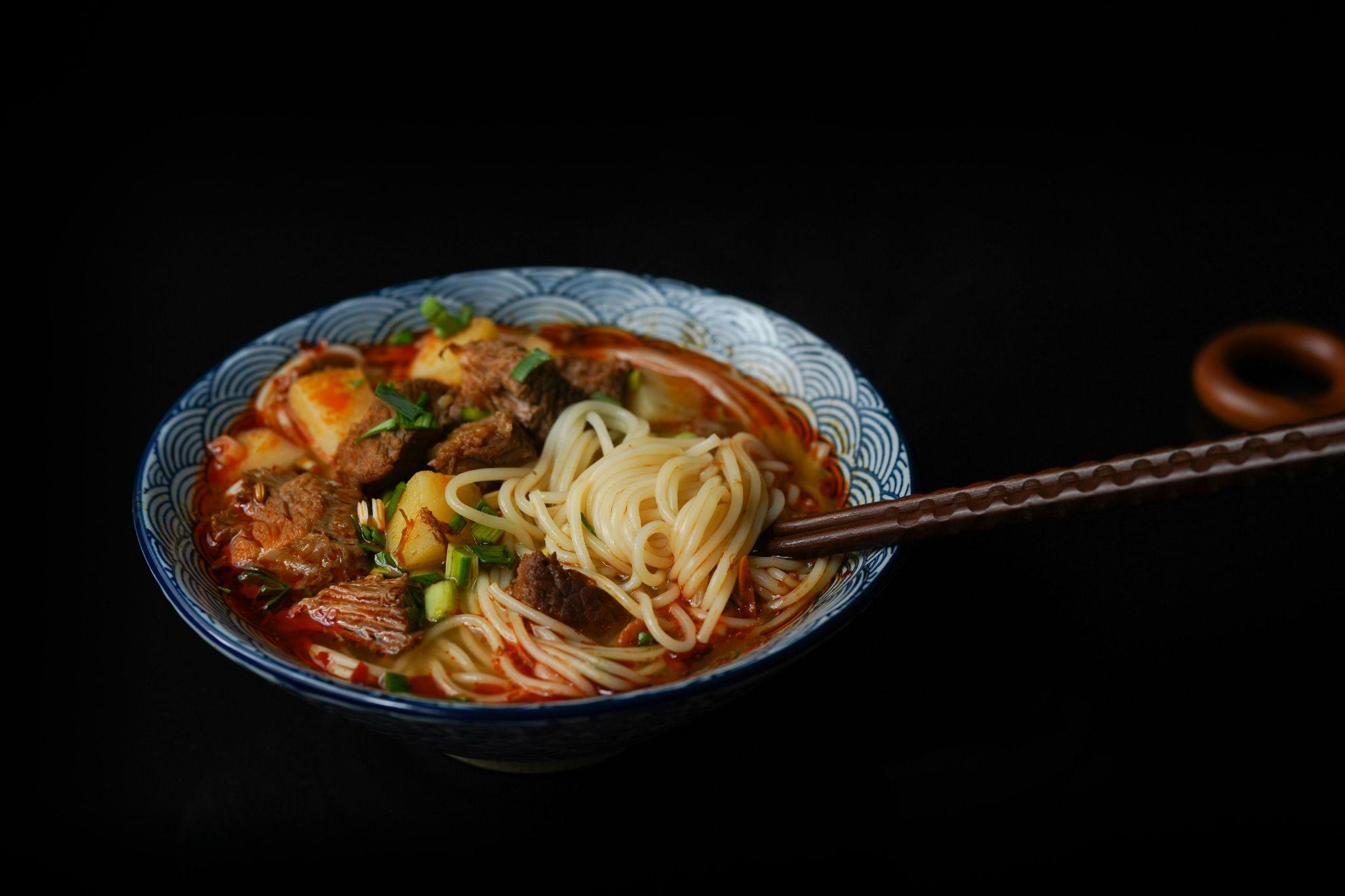
People care more about authenticity now. Not performative “authentic”, the real kind. Fresh seafood handled properly. Rice served warm, not cold from a fridge. A ramen broth with actual depth instead of just salt and spice. At the same time, diners in Dubai enjoy modern touches too. Maybe a bit of truffle on wagyu or a sharper presentation style. As long as the core flavors stay clean, it works.
The Influence of Global Dining Trends
Travel changed people’s taste quite a bit. Someone who ate sushi in Tokyo last month notices details immediately here. And honestly, social media only amplified it. Diners now chase places with atmosphere, good pacing, soft lighting, even the sound of the kitchen in the background. Food became part of the whole night, not the only reason for it.
How Ram & Roll Reflects Dubai’s Culinary Evolution
Ram & Roll feels very Dubai in the best way. Stylish without trying too hard. Japanese at its core, but comfortable enough that people settle in and stay longer than planned.
A Modern Interpretation of Japanese Fine Dining
The room has that calm evening glow, dark textures, soft chatter, the faint smoky smell from the kitchen drifting through sometimes. Nothing feels overly theatrical. Food stays rooted in Japanese technique, but the presentation fits Dubai’s modern dining culture. Clean plates, rich ingredients, sharp flavors. Done properly, not overworked.
Signature Experiences That Match Modern Dining Trends
A lot of diners come for the wagyu and seafood first. Then end up talking about the ramen broth or hand rolls after. That usually says something. The desserts keep things lighter too. Yuzu, matcha, black sesame, flavors that finish a meal cleanly instead of leaving everything overly sweet.
A Destination for Elevated Japanese Dining in Dubai
Being inside Kempinski The Boulevard gives the whole experience a polished city feel. It works for quiet dinners, celebrations, or even those nights where nobody really wants to leave after dessert.
The Future of Fine Dining and Japanese Cuisine in Dubai
Dubai diners are getting harder to impress now, honestly. Big chandeliers and expensive menus still attract attention, sure, but people care more about substance than before. They notice freshness. They notice effort.
Sustainability and Ingredient Sourcing
There’s growing interest in where ingredients actually come from. Guests ask about seafood sourcing, seasonal imports, even how often produce gets delivered. That shift feels overdue. And seasonal menus just make more sense. Fatty tuna tastes different at the right time of year. Same with wagyu quality. Better ingredients usually need less unnecessary decoration anyway.
Technology and Personalized Dining
Technology sits quietly in the background now. Faster bookings, saved preferences, smoother pacing between courses. Helpful stuff, as long as it does not feel cold. People still want real interaction though. A warm recommendation beats a tablet screen every time.
Continued Growth of Luxury Japanese Dining
Japanese dining fits Dubai naturally. Clean flavors, calm spaces, chef interaction, it matches how many people prefer to dine today. Smaller counters, curated tasting menus, slower evenings around good food, that direction feels pretty clear already.
Experience the Next Chapter of Japanese Fine Dining
Dubai’s dining culture keeps evolving, and Japanese cuisine remains right at the center of it. From refined wagyu and fresh sushi to immersive chef-led experiences, modern diners want more than just dinner now.
Looking for a Japanese dining experience that actually feels memorable? Visit Ram & Roll at Kempinski The Boulevard and reserve your table before peak evening hours fill up.
Interesting Read About: Why Wagyu Defines a Wagyu Sushi Restaurant in Dubai
FAQs
1. Why has Japanese cuisine become so popular in Dubai?
Japanese cuisine became popular in Dubai because people now prefer lighter flavors, premium ingredients, and more refined dining experiences. Sushi, ramen, wagyu, and robata dishes fit well with Dubai’s modern luxury dining culture.
2. What makes Japanese fine dining different from regular dining?
Japanese fine dining focuses heavily on precision, freshness, presentation, and balance. Small details like knife skills, ingredient quality, broth preparation, and plating style all shape the overall experience.
3. How has Dubai’s fine dining scene changed over the years?
Dubai evolved from traditional hospitality dining into a global culinary destination. Today, guests expect immersive experiences, chef-led concepts, luxury interiors, and personalized service alongside high-quality food.
4. What are the current trends in Japanese fine dining in Dubai?
Popular trends include omakase dining, live sushi counters, wagyu-focused menus, seasonal ingredients, curated tasting experiences, and modern Japanese desserts featuring yuzu, matcha, and black sesame flavors.
5. Where can guests enjoy modern Japanese fine dining in Downtown Dubai?
Guests looking for an elevated Japanese dining experience can visit Ram & Roll at Kempinski The Boulevard, known for its refined atmosphere, premium wagyu, sushi, ramen, and contemporary Japanese flavors.